Cold Wallet vs Hot Wallet: Which Is Safer?
Comparing the Pros and Cons of Two Core Methods for Digital Asset Storage

Cold Wallet vs Hot Wallet: Which Is Safer?Comparing the Pros and Cons of Two Core Methods for Digital Asset Storage
As of 2025, with the mainstream adoption of cryptocurrency, one of the most pressing concerns for both individual and institutional investors is wallet security. The value of digital assets like Bitcoin continues to rise, but so do the risks of hacking, phishing, and insider breaches. This has sparked ongoing debate over which storage method is more secure: the cold wallet or the hot wallet.
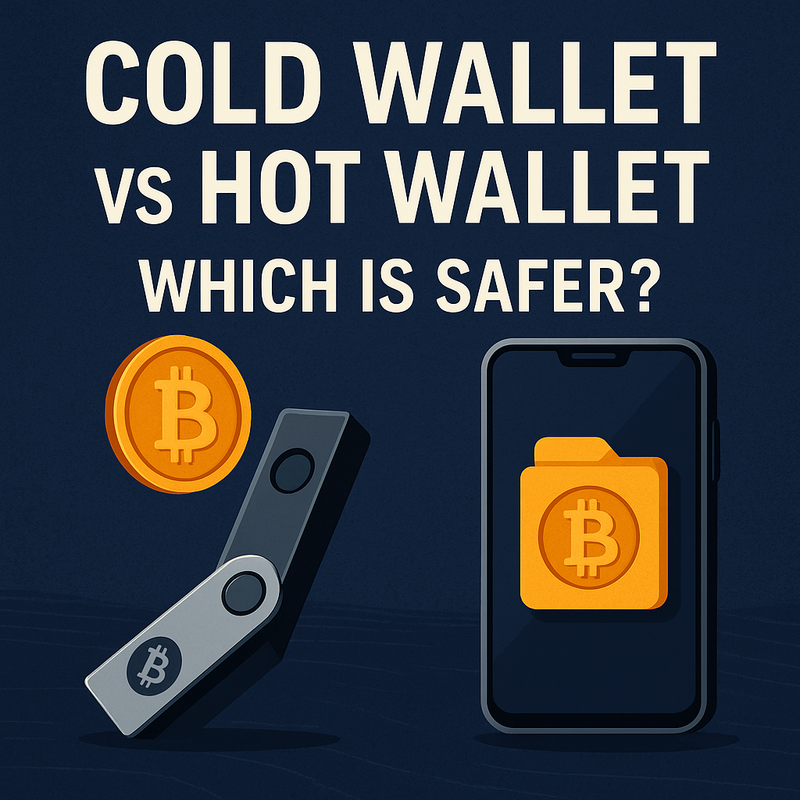
Hot wallets are digital wallets that remain connected to the internet. Examples include MetaMask, Trust Wallet, and exchange-based wallets. Their biggest advantage is accessibility and transaction speed. They allow for real-time interaction with decentralized applications (DApps), quick transfers, and asset swaps within exchanges. However, their constant online presence makes them significantly more vulnerable to cyberattacks. In fact, according to 2024 data, nearly 80% of global crypto-related hacking losses occurred through hot wallets.
In contrast, cold wallets are completely offline storage solutions. These include hardware wallets (such as Ledger or Trezor), paper wallets, and wallets installed on air-gapped computers. In the cold wallet vs hot wallet comparison, cold wallets are widely regarded as superior in terms of crypto wallet security. Because they are disconnected from the internet, they are virtually immune to remote hacking attempts. However, they are less convenient and user-friendly. Moreover, losing the device or failing to back up the recovery seed can result in the permanent loss of funds.
Recently, hybrid models that combine the benefits of both types are gaining attention. Some hardware wallets now integrate with mobile apps to balance usability and security, while multi-signature (multisig) features and two-factor authentication are increasingly used to bolster hot wallet defenses.
Institutional investors generally store over 95% of their assets in cold wallets, keeping a small portion in hot wallets or exchanges for liquidity needs. This is considered one of the most balanced structures from a crypto wallet security standpoint. Individual investors are also advised to adopt a split-storage model: placing long-term holdings in a cold wallet and using hot wallets for routine transactions.
In conclusion, there is no universal answer to the question of which wallet type is safer. Security ultimately depends on how the wallet is managed, the investor’s usage habits, and the amount of assets involved. However, one principle remains clear: the less exposure to the internet, the safer the wallet. For those holding significant digital assets or planning to hold long term, a cold wallet is often the wiser choice. For active traders, a hot wallet offers necessary flexibility. Ideally, a security-focused portfolio that combines both methods will provide the most resilient digital asset protection.
<저작권자 ⓒ 코인리더스 무단전재 및 재배포 금지>
|


  많이 본 기사
Insight 많이 본 기사
|